
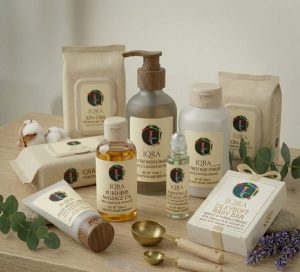
How to Choose Safe Baby Care Products for Your Little One?
Everything Parents Need to Know About Choosing Gentle Baby Care Products
Baby skin is delicate, still developing, and more prone to dryness and irritation. Harsh products can strip away natural oils, leaving the skin feeling dry and uncomfortable. That is why choosing a gentle, natural baby products matters. The right formula should cleanse effectively without disturbing the skin’s natural moisture balance or protective barrier. Instead of relying only on front-label claims, parents should look closely at the product ingredients, and formulation. This guide explains how to choose a safe baby product, what to look for, and which harsh ingredients are best avoided.
Chemical-free formulas tend to be less stripping than traditional skin care product bases.
The pH level should be suited to a baby’s skin specifically, not a generic adult average.
Preservatives and fragrance should be minimal and clearly listed, not hidden behind vague terms.
Ingredients should support the skin barrier, not just clean past it.
Baby Product Ingredients Worth Looking For

The right ingredients don’t just cleanse. They help support your baby’s skin with every bath. Here are a few worth looking for:
Aloe Vera – Helps soothe redness while keeping skin hydrated during cleansing.
Shea Butter – Rich in nourishing fatty acids that help moisturise and support skin elasticity.
Coconut Oil – Cleanses gently without stripping away the skin’s natural moisture.
Vitamin E – Provides antioxidant support while helping keep skin soft and healthy-looking.
Calendula & Chamomile – Help reduce the feeling of irritation while comforting sensitive skin.
These ingredients are commonly found in thoughtfully made baby products and work together to cleanse while supporting the skin’s natural barrier.

Ingredients to Avoid in Baby Soap

Knowing what belongs matters, but the ingredients to avoid in baby product deserve just as much attention, since these are usually what’s behind the dryness or irritation parents can’t quite explain.
Worth checking the label for:
- Harsh sulfates, which strip natural oils fast
- Parabens, preservatives tied to hormone disruption
- Synthetic fragrance, a common irritant on sensitive skin
- Mineral oil, which coats rather than nourishes
- Alcohol and silicones, both prone to drying skin out over time
A product genuinely free of all five isn’t a marketing checkbox. It behaves differently on the skin, and usually noticeably so within a week or two of switching.
Frequently Asked Questions (FAQs)
How do I choose the right baby products?
What baby products ingredients should I look for?
What ingredients should I avoid in baby skin care products?
Why does skin care product pH matter for babies?
CONCLUSION
Good baby skincare tips don’t stop at the products. The soap sets the foundation, but everything after it decides whether that foundation holds up.
A few habits worth building in early: patch-test any new product before it becomes a daily one, keep baths reasonably short since prolonged water exposure dries skin out on its own, stick to fragrance-free products across the routine rather than just the skin care product, and pay closer attention during colder months, when skin tends to need more support than usual.
Choosing well here comes down to a few consistent principles: a balanced pH, ingredients that nourish rather than merely clean, and a formula genuinely free of the substances most likely to irritate. This is exactly the thinking behind iqracare a baby care natural product formula built around Aloe Vera, Shea Butter, and Calendula rather than sulfates or synthetic fillers.
Choosing the right baby product isn’t about finding more ingredients. It’s about finding the right ones, in a formula that respects your baby’s delicate skin from the very first wash.
Also Read- Why baby massage helps dry skin?